Good endings make for good beginnings

As the year comes to an end many of us start thinking about the future, keen to plan what’s next. But like with any cupboard, it is important to deal with what is in the cupboard before you put new things into it. That's why it's important to look at the past before we move into the future.
William Bridges, is an organisational consultant who developed the influential Bridges Transitions Model, a framework for understanding the psychological process of adapting to change, distinct from the external event of change itself.
The Three Phases
Bridges identifies three distinct phases we all move through as we experience change:
Endings: Where we need to let go of the old, grieve loss, and make our peace with the past.
Neutral Zone: The in-between space. The past has ended but the future hasn't yet arrived. This phase is filled with uncertainty, fear, and not knowing. It can also hold anticipation, expectations, and excitement. Often it's a mix of both.
New Beginnings: When we can adopt new ways of being and working, embrace new identities, see possibilities, and have the energy and motivation to create the future we wish for.
Many of us would love to jump straight to the new beginnings phase, but that's hard to do if our energy is stuck in the past because we haven't let go and felt what needed to be felt. It is an important and often undervalued part of being human.
Creating Good Endings
As we approach the end of the year, here are six questions you might want to ask yourself to create a good ending:
What am I proud of having done or achieved this year?
What wants to be acknowledged and celebrated?
What am I disappointed about from this year?
What wants to be acknowledged and grieved?
What am I ready to let go of?
What was good and I want to take forward with me?
A Brief Note on Feelings
Feelings are not there to be understood; feelings simply want to be felt. Start by acknowledging and naming it. I'll write a separate post on this topic in the new year, but for now, notice what comes up when you ask yourself the questions above.
The Power of Rituals
Rituals can be powerful. A ritual is a simple, deliberate act to mark closure. Rituals help the brain recognise that a chapter has closed, which in turn creates psychological clarity, reduces mental load and allows the focus to shift forward. For example, one simple ritual is to physically let go of something by discarding a note, symbolically placing it somewhere, or otherwise marking an end. In team events I often have a post-it notes and bins available, so people can write things down and then throw them in the bin as we go through the event, to enable them to let go of something.
In a recent coaching conversation I introduced a client to this idea and she later used it with her son. When I met him afterwards I asked whether it worked. He looked at me and said, "I don't know, but come to think of it, I haven't thought about the things that my mum asked me to let go." Tick box, that worked!
Moving Into New Beginnings
Once you feel you've done your endings work, you have entered the neutral zone and it’s useful to pause and notice what is present. People often report feeling lighter, calmer, or clearer. Others notice a sense of acceptance, relief, or simply more internal space. All these and more signal that you are in the neutral zone, starting to get ready to think about possibilities and what lies ahead. Here are some questions to help you dream, imagine and visualise. For a moment, open up your thinking. Try not to think about obstacles or why something might not be possible as that often contracts the thought process and blocks the capacity to imagine possibility.
What are the three biggest wishes I have for the next year?
What would I do if I trusted myself fully?
Who would I like to become in this next version of myself?
What would that upgraded version of me do differently?
List three to five qualities my upgrade is embodying.
What support, resources, or conditions do I need to make my upgraded self a reality?
How I do this
I love journaling. To me the writing process feels like my hand telling me what I know but didn't know consciously. If you feel called to have a go at this, I recommend taking a bit of time to do the endings piece, then a few hours or days later, pick up the pen again and do the new beginnings piece. The pause matters - it gives the neutral zone its due.
About Yas
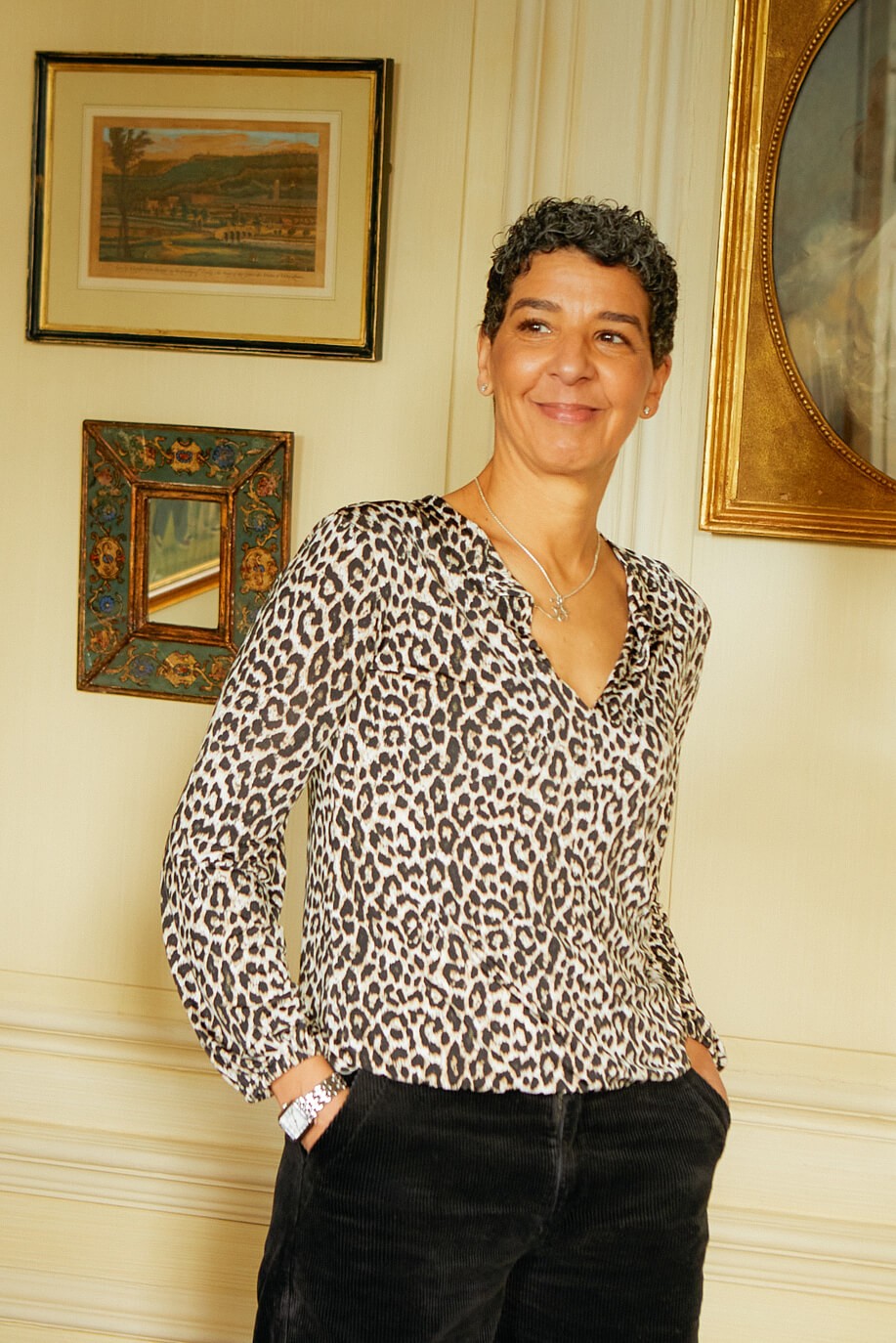
Yasmin is the founder of Evolving Leadership, a coaching and training practice dedicated to helping leaders and teams create the conditions they need to get the results they want.
An executive coach and facilitator for over 20 years, Yasmin works with CEOs, board level executives and their teams across a wide range of cultures and countries, from large corporations, to SMEs and start-ups; and globally from the US and Europe to Africa.