Is it possible to learn new skills and stay true to who you are?
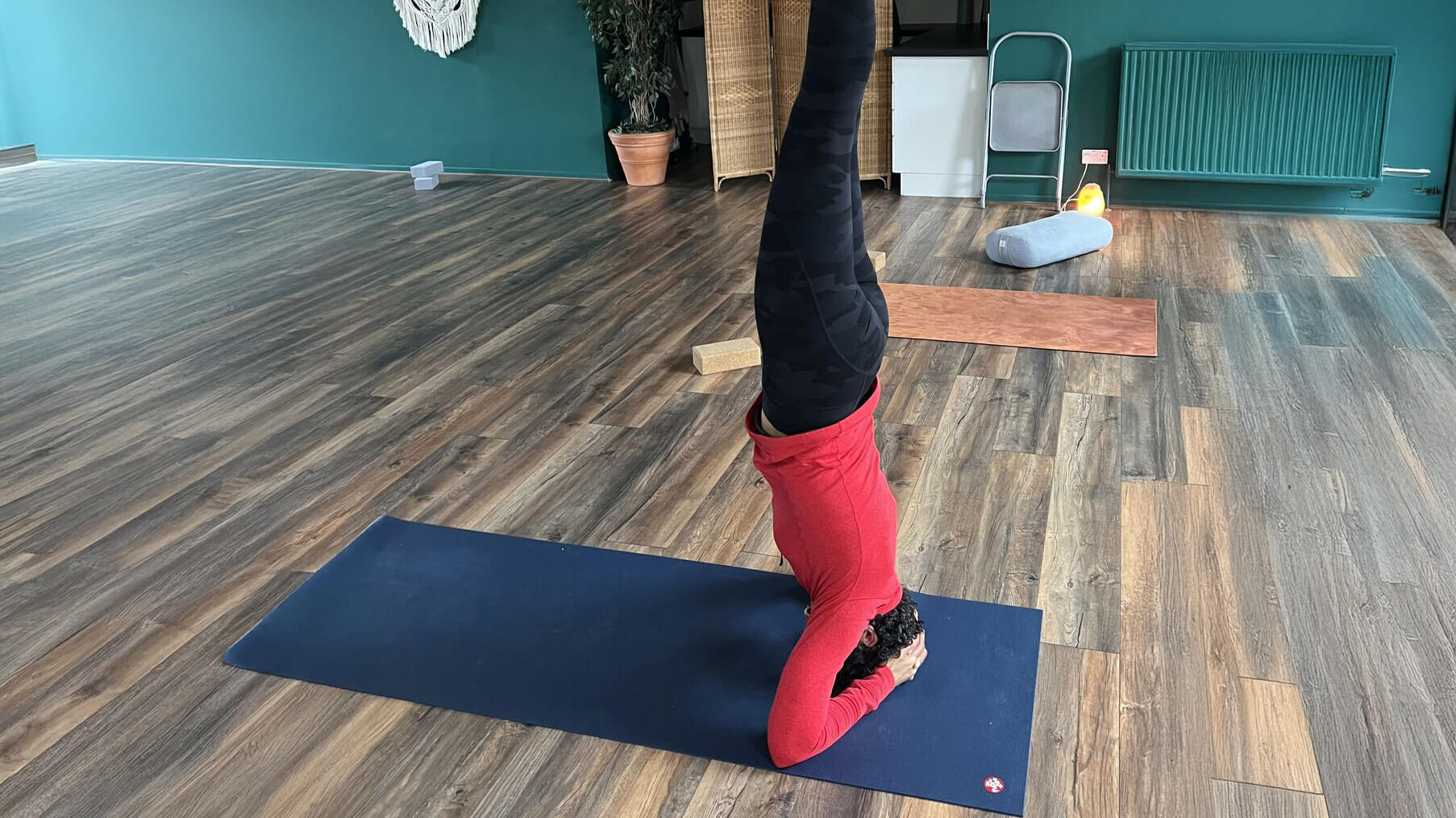
“I’d like to learn and develop, and I want to stay true to who I am.”
I’ve heard this or similar on many occasions when facilitating influencing and leadership programmes. The emotion behind the statement is the fear of learning something that might clash with one’s personality. In other words, being inauthentic.
For example, people sometimes assume that not being assertive is part of a personality profile. A person who is quiet and more introverted by nature might therefore think that they are not able to be assertive. Let me offer a different way of approaching this: Assertiveness doesn’t look the same for all of us.
It could look like this: someone standing tall and confident, speaking loudly and clearly and with great impact. That’s probably what most of us have in mind when we think ‘assertive’.
It could also look like this: someone small and unimposing with a quiet voice, owning the space, speaking clearly and articulately, standing in a confident manner, captivating the audience with their presence. This is probably a lesser known version of assertiveness.
We all have our own version of assertiveness. And the same is true for any other leadership skill. The secret lies in discovering what it looks like for you. Here are some tips on how to get the most from learning experiences whilst staying true to yourself.
Use the Structures and Frameworks Provided in Training Programmes
Training programmes often use structures and processes. Use them. It might be as simple as a sentence, or a framework, or even trying a particular body position when speaking. And yes, it probably will feel odd to start with because it’s new and different. Over time you will discover your own way of applying the tools. It’s a bit like learning to play an instrument. First you have to learn the rules (like scales on the piano), later when you are proficient, you can learn to break the rules. In fact, it’s often one’s unique expression that other people appreciate the most. It’s the same with learning anything else. First learn the basics, then make it yours.
Be Aware When Your Values Clash
Sometimes we perceive a new skill to be in direct opposition with our values, making us reluctant to apply the learning. For example, if honesty, openness and transparency are important to me, then I might struggle not telling people everything I know about something immediately. I might object to a model that suggests only highlighting the key reasons for a particular recommendation, keen as I am to share all my reasons and lay out my rationale. My need for total transparency will clash with a model that suggests it’s not an effective way to communicate and I might therefore resist testing it out. In cases like this, it is helpful to examine your values and ask yourself whether the clash is real or perceived. Initially things can look like they conflict but once you question and examine the situation you might find a way of applying the tool effectively and staying true yourself.
Try Things On For Size
Our reaction to different is often: “that’s just not me”, which can result in not trying something fresh. Learning new skills is a bit like trying on new clothes. You go into a shop determined to try a new style and buy something you don’t normally wear. You don’t want to change who you are; you just want to expand your range. You try on a few outfits and, funnily enough, the ones that feel most comfortable are the ones that resemble what’s already in your closet, the familiar. It’s often a good shop assistant or friend who says “that really suits you”. If you are experimental you might buy it and over time you grow into it, expressing a different side of yourself. It’s the same with leadership skills. Initially, learning something new feels alien. It’s not what you usually do and so it feels ‘wrong’ and ‘not you’. When you try to apply the new learning it can feel clunky, rehearsed and forced. At that point it’s tempting to discard it and say: “that’s just not me” and thus avoid having to move outside of your comfort zone.
The Four Learning Steps
We all go through four stages when learning something new. Being aware of these can help you deal with the discomfort, inevitable on the road to the ‘new’.
1. Unconscious Incompetence
You could call this bliss or ignorance. You don’t know what you don’t know, if it’s unconscious. You didn’t realise there were different ways of behaving in a meeting. You didn’t realise you could change something or adopt a particular framework. And because you didn’t know, you didn’t worry about it either.
2. Conscious Incompetence
This is the most painful stage. Here you are intensely aware of your shortcomings. You’ve learnt something new and now you know that how you did it before, isn’t ideal. You might still do it that way but now you know it’s wrong. It’s a very different and uncomfortable place.
3. Conscious Competence
Here you apply the new tool, skill or framework. You do it well enough but it takes a lot of effort, thought and energy. You have to plan, think and rehearse. It feels difficult but you can do it. This stage can feel like hard work.
4. Unconscious Competence
This is when people say “it’s just like riding a bike”. You do it and it’s become part of your repertoire. You don’t have to think about it. It feels natural. An authentic expression of you.
As kids we went through these stages all the time because everything was new. Learning to walk, learning to ride a bike etc. Kids stumble, fall, get up, try again, endlessly. Then something changes. After school many of us think we should just ‘know’. We assume we are ‘done’ with learning. That attitude makes us less inclined to fail, learn and try again.
So, yes, you can stay true to who you are and learn new skills, especially if you are prepared to get out of our comfort zone and ‘fail’ a bit.
About Yas
Yasmin is the founder of Evolving Leadership, a coaching and training practice dedicated to helping leaders and teams create the conditions they need to get the results they want.
An executive coach and facilitator for over 20 years, Yasmin works with CEOs, board level executives and their teams across a wide range of cultures and countries, from large corporations, to SMEs and start-ups; and globally from the US and Europe to Africa.