The art of the pause
We live in a world obsessed with results. Our attention is constantly pulled towards productivity and getting things done. We chase speed and efficiency, always with the aim of doing more.
As a coach, I see this all the time. Clients want to bounce back or return to peak performance. Their focus? Efficiency and measurable results. They want to move forward, outdo their own track record… You get the idea.
We’ve come to believe that success is linear, and that we are capable of moving from where we are now to where we want to go with minimal disruption. But experience tells me that’s not how it works. I believe sustainable performance isn’t just about constant doing, it is also about the art of the pause.
Take sport, many have a pause built in: in swimming, rhythm is about taking a powerful stroke and then gliding to unleash its full power. If you just stroke and you don’t use a glide, you don’t make progress because you aren’t maximising the full power of the stroke.
Rhythm is an interplay; action gains more power through pausing. We see a similar pattern in nature; farmers introduce fallow periods to allow their fields to rest and regenerate. Even Glastonbury, based on a farm, is going fallow in 2026!
In modern life, we celebrate just one side of the cycle: the active, productive side. We resist the pause, the slowing down, even when our minds or bodies are pushing us to pay attention. Fatigue and disengagement are both signals that our own rhythm has been lost, yet many of us operate at a constant level of activation.
I think doing nothing needs a reframe. What if it was considered an essential part of being effective? Not a reward for having worked hard, but a core part of the system that supports clear thinking, grounded leadership, and creative insight?
Rather than thinking in binaries: work or rest, productive or idle, I’m starting to think about a rhythm: It’s not about either/or, it’s about knowing, going back to my swimming analogy, if you are in a stroke or a glide.
So instead of asking: How do I rest so I can do more later? A better question might be: Where am I in my rhythm?
Prompts to consider:
What are the signals (body, feelings, thoughts) pointing me to?
What is this phase calling for — effort or pause, tension or release?
The art of doing nothing isn’t about stopping. It is about tuning into a different kind of intelligence - one that helps sustain not just your performance, but your presence.
About Yas
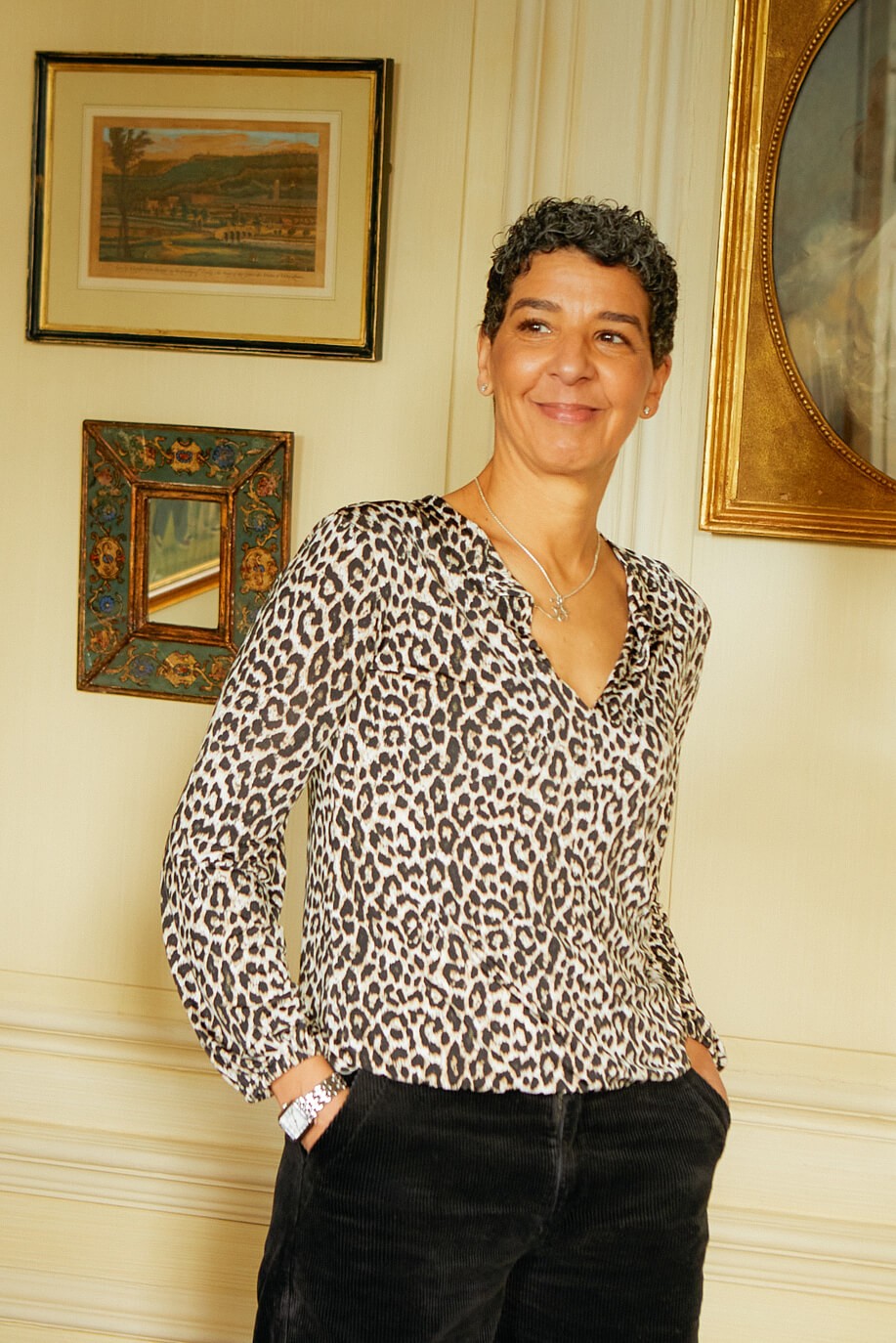
Yasmin is the founder of Evolving Leadership, a coaching and training practice dedicated to helping leaders and teams create the conditions they need to get the results they want.
An executive coach and facilitator for over 20 years, Yasmin works with CEOs, board level executives and their teams across a wide range of cultures and countries, from large corporations, to SMEs and start-ups; and globally from the US and Europe to Africa.